
For years, we’ve debated online convenience versus the in-store experience. That debate is over. The future of retail isn’t one or the other; it’s a blended world where digital tools and physical spaces have finally merged into a single, seamless journey. This is a complete reimagining of how we shop, and it puts the consumer squarely in the driver’s seat.
Navigating the New Retail Landscape
The evolution of retail is no longer about where a sale happens. It’s about creating an interconnected superhighway where every touchpoint—from a social media ad to a fitting room mirror—works in concert. A few powerful forces are driving this shift, completely reshaping what shoppers expect and how brands need to operate. The modern shopper moves fluidly between channels, and the brands winning today are the ones meeting them at every turn with a consistent, compelling experience.
This transformation is a massive opportunity for growth and connection. The industry is proving its resilience, with forecasts projecting U.S. retail sales to hit between $5.42 trillion and $5.48 trillion in 2025. What’s telling is that online sales are expected to jump between 7% and 9%, hammering home just how vital a strong digital presence is.
The Core Pillars of Modern Retail
To succeed in this new era, brands have to master several key areas. Each one addresses a fundamental change in how people discover, evaluate, and buy things.
- Hyper-Personalization: This is about using data and AI to deliver experiences so tailored they feel like they were made for one person. It goes way beyond using a customer’s name in an email. It’s about predicting needs and offering suggestions that are actually helpful.
- Immersive Experiences: Technologies like augmented reality (AR) and virtual reality (VR) are closing the gap between imagination and reality. They let customers see how a couch would look in their living room or try on sunglasses from their phone, making buying decisions easier and more confident.
- Sustainability and Ethics: Shoppers are demanding more transparency and purpose. They’re increasingly choosing brands whose values align with their own, turning ethical practices from a “nice-to-have” into a powerful differentiator.
The new retail model is less about the transaction and more about the relationship. It’s a continuous conversation that builds loyalty through convenience, personalization, and shared values.
This consumer-centric world demands fresh thinking and a commitment to breaking down old silos. For any brand looking to thrive, understanding the key components of retail innovation is no longer optional. And as retailers adapt, getting a handle on the evolving landscape of retail payments is just as critical—because how people pay is as important as how they shop.
In the sections ahead, we’ll dive deeper into each of these trends, exploring how they all come together to create the dynamic, responsive, and exciting future of retail.
To better understand these shifts, let’s break down the essential trends that are redefining the retail experience.
Key Trends Shaping the Future of Retail at a Glance
| Trend | Core Concept | Primary Impact |
|---|---|---|
| Experiential Retail | Transforming physical stores from transactional spaces into engaging brand destinations. | Builds emotional connection and brand loyalty beyond just the product. |
| Phygital Integration | Blending the physical and digital worlds for a unified, seamless customer journey. | Creates consistency and convenience across all touchpoints, from app to aisle. |
| Data-Driven Personalization | Using customer data and AI to anticipate needs and deliver highly relevant offers. | Increases customer engagement, conversion rates, and lifetime value. |
| Social Commerce | Integrating shopping functionality directly into social media platforms. | Shortens the path to purchase by allowing discovery and checkout in one place. |
These trends aren’t just buzzwords; they represent a fundamental pivot in how retail operates, moving the focus from selling products to building lasting customer relationships.
How AI Is Making Every Shopping Cart Personal
Artificial intelligence isn’t some far-off concept anymore; it’s the invisible engine running behind the scenes of the most engaging retail experiences you have today. The future of retail is intensely personal, and AI is the key that lets brands stop shouting at crowds and start having a one-on-one conversation with every single customer.
This is all about anticipating needs—sometimes before the shopper even knows they have them. Think of it as the digital version of that local shop owner who remembers your taste and always has the perfect new thing to show you. By looking at browsing history, past purchases, and even how long someone pauses on a product image, AI starts to build a unique picture of each shopper.
From Mass Marketing to “Me” Marketing
The old retail playbook was built on giant, clumsy demographic buckets like “women, ages 25-40, living in the city.” AI completely shatters that model. Instead, it creates a “market of one” by zeroing in on individual behaviors and what they signal about intent. This shift leads to interactions that are genuinely helpful, building real loyalty over time.
It’s the same logic that streaming services like Netflix have perfected. They don’t just recommend a random action movie; they analyze what you watch, what you skip, and what you re-watch to suggest the exact film you’re most likely to love next. Retailers are now applying that same thinking to their entire product catalog.
- Predictive Recommendations: AI can now predict what a customer might buy next with startling accuracy. If you buy a new tent, the system can suggest a compatible sleeping bag and a top-rated lantern—a genuinely helpful upsell that feels like good service, not a hard sell.
- Dynamic Content: Websites and apps can literally change their layout based on who’s looking. A fitness enthusiast might see an ad for new running shoes, while a home chef sees a promotion for a new cookware set on the very same homepage.
- Real-Time Price Adjustments: Based on demand, inventory levels, and competitor pricing, AI can adjust prices on the fly. This keeps the retailer competitive while ensuring they aren’t leaving money on the table for high-demand items.
The New Face of Customer Service
One of the most immediate places you’ll feel the impact of AI is in customer support. Those clunky, frustrating chatbots of the past are quickly being replaced by smart conversational assistants that can handle complex questions with ease.
These modern AI tools can pull up your order history, check on inventory, and even process a return without ever needing to pass you off to a human agent. This frees up the human support teams to focus on the more nuanced, high-touch issues, which makes for a better experience all around. In fact, recent studies show over 60% of consumers are now comfortable using an AI chatbot for simple service needs, and that number is only climbing as the tech gets better.
The goal of AI in retail isn’t to replace the human touch, but to amplify it. By handling the routine stuff, AI gives store associates and support teams the freedom to deliver more meaningful and memorable service.
Smarter Shelves and Happier Shoppers
AI’s influence extends far beyond the website and into the very backbone of retail: the supply chain. Nothing kills a sale faster than an “out of stock” notification. Predictive analytics, powered by AI, is making that frustration a thing of the past.
By analyzing historical sales data, seasonal trends, and even outside factors like weather forecasts or local events, AI can forecast demand with incredible precision. This allows retailers to:
- Optimize Stock Levels: Keep popular products on the shelf without getting buried in items that aren’t moving.
- Cut Down on Waste: For products with a shelf life, like groceries, accurate forecasting means less spoilage and fewer losses.
- Improve Fulfillment: AI can determine the most efficient warehouse to ship an online order from, cutting down on delivery times and shipping costs.
Ultimately, AI is the common thread that ties the entire modern retail journey together. It ensures the marketing is relevant, the website is personal, the customer service is instant, and the product you want is actually on the shelf. This intelligent, data-driven approach is what it takes to build a successful retail business today.
Mastering the Seamless Omnichannel Experience
What if your customer’s shopping experience felt like one continuous conversation, no matter where it took place? That’s the real promise of omnichannel retail. The future of retail isn’t about separating “online” from “in-store”—it’s about completely erasing those lines to create a single, fluid journey.
Think of it as an ongoing dialogue. A shopper might see a jacket on Instagram, click over to your website on their laptop to read reviews, and then use your mobile app to check if it’s in stock at a nearby store. These aren’t disconnected steps. They’re part of one unified experience where your brand meets the customer exactly where they are, at any given moment.
This is more than a trend; it’s a direct response to how people actually shop now. While in-store shopping remains the favorite for 45.7% of consumers, a significant 28.2% prefer the convenience of online channels. Omnichannel bridges this gap by offering the best of both worlds. The global retail market reflects this reality, with sales projected to hit $31.3 trillion by 2025 as nearly 2.77 billion people shop online. You can find more retail statistics and insights here to see the full picture.
The Technology Behind the Magic
Making this continuous conversation a reality requires a sophisticated, unified system on the back end. The magic of omnichannel isn’t magic at all; it’s the result of deeply integrated technology that gets every part of the business speaking the same language. This is a crucial element in building effective omnichannel marketing strategies that truly work.
The absolute bedrock of this system is a unified inventory. This means your company’s website, mobile app, and physical stores are all pulling from the same real-time stock data. When a customer checks for an item online, they see the exact same availability as a store associate looking it up on their tablet.
A true omnichannel experience makes the brand feel like a single, helpful entity, not a collection of separate departments. The customer shouldn’t have to know or care whether they’re dealing with the e-commerce team or the in-store team.
This deep integration is what powers the services modern shoppers now see as standard:
- Buy Online, Pickup In-Store (BOPIS): This is the quintessential omnichannel service, blending the ease of online ordering with the instant gratification of a local pickup.
- Endless Aisle: If a product is out of stock in the store, an associate can use a tablet to find it at another location and ship it directly to the customer’s home. No lost sales.
- Seamless Returns: Customers can buy an item online and return it to a physical store without a second thought, removing a major point of friction from the buying process.
Why Omnichannel Is Not Multichannel
It’s easy to get “omnichannel” confused with its predecessor, “multichannel.” A multichannel approach simply means a brand has a presence on multiple platforms—a website, an app, and a physical store. The problem is, in a multichannel model, these channels often operate in their own silos, completely unaware of each other.
An omnichannel strategy, on the other hand, connects every channel into one cohesive ecosystem. The focus shifts from simply being available everywhere to creating a consistent and interconnected experience across the board.
Here’s how they stack up:
| Feature | Multichannel Retail | Omnichannel Retail |
|---|---|---|
| Customer View | Channels operate independently; customer data is siloed. | A single, unified view of the customer across all touchpoints. |
| Inventory | Separate inventory for online and in-store. | Centralized inventory accessible to all channels in real-time. |
| Experience | Inconsistent branding and promotions across channels. | A consistent, seamless experience from discovery to purchase. |
| Goal | Be present on multiple platforms. | Create a continuous customer journey. |
By breaking down these internal walls, retailers can deliver the effortless convenience that builds real, lasting loyalty. Omnichannel isn’t just a technical upgrade; it’s a fundamental shift in business philosophy—one that is built entirely around the customer’s real-world behavior. That’s what cements its role in the future of retail.
Why Sustainable and Ethical Retail Wins Hearts
It’s a simple truth of modern retail: today’s shoppers aren’t just buying a product; they’re buying into the values of the company behind it. This massive shift has pushed sustainability from a corporate footnote right to the top of the agenda. For brands that want to define the future of retail, putting people and the planet first isn’t just an option anymore—it’s the only way to build real customer loyalty.
This movement is fueled by consumers who want to see their own principles reflected in the brands they support. The numbers don’t lie. A recent study found that a staggering 66% of consumers are willing to open their wallets wider for sustainable products. This isn’t some niche trend; it’s a mainstream expectation, and getting it right gives brands a serious competitive edge.
From Transparency to Trust
At the heart of ethical retail is one thing: transparency. Shoppers have questions, and they want answers. Where did the materials come from? Who made this? What was the environmental cost? The smart brands are pulling back the curtain on their entire supply chain to show them.
Think of it like a nutritional label, but for your clothes or your phone. Companies are now providing in-depth details about their sourcing and manufacturing, often right on the tag or their website. It’s a level of honesty that builds a foundation of trust that no slick marketing campaign ever could.
In an age of information, authenticity is the new currency. When a brand is open about its practices, both good and bad, it builds a relationship with customers based on respect, not just transactions.
This commitment to transparency has to run through the entire business. For brands looking to authentically share their story, exploring effective sustainable retail marketing is the critical next step to connect with this growing audience.
The Rise of the Circular Economy
Beyond just making better products, the most innovative retailers are rethinking what it even means to “own” something. The old “take-make-dispose” model is on its way out, replaced by a circular economy designed to keep products in use for as long as possible. This isn’t just better for the planet; it’s unlocking entirely new ways to make money.
This shift has created a whole new playbook for retail, with models designed to slash waste and keep value circulating:
- Resale Programs: Brands are now launching their own marketplaces for certified pre-owned goods. They encourage customers to trade in used items for store credit, which keeps products out of landfills and brings shoppers right back to them.
- Rental Services: For things like high-fashion or specialized equipment, renting gives customers access without the long-term commitment. It’s a flexible and more sustainable way to enjoy premium products.
- Repair and Refurbishment: Instead of just pushing customers to buy the newest model, forward-thinking brands are offering repair services. This not only reinforces the quality and durability of their products but also nurtures a much deeper, long-term relationship with the customer.
By embracing these circular models, retailers are proving that purpose and profit can absolutely go hand-in-hand. This is more than a feel-good story; it’s a smarter, more resilient way of doing business that captures both the hearts and the wallets of today’s consumers.
Empowering the Retail Workforce of Tomorrow
As technology handles routine work like checkout and inventory, the role of the human employee on the sales floor is becoming more important, not less. The future of retail isn’t about replacing people; it’s about elevating them. The transactional cashier is giving way to the savvy brand ambassador—a problem-solver who curates exceptional customer experiences.
This isn’t a small change; it’s a complete shift in mindset. The modern retail employee is no longer just there to ring up a sale. They are now the essential bridge between a brand’s digital presence and its physical one, providing the kind of high-touch service that machines simply can’t match.
From Task-Doers to Experience Creators
The most valuable employees today are the ones who can read data, understand what a customer really needs, and build a genuine relationship. Technology becomes their superpower, giving them the tools to deliver incredible service on the spot.
Instead of being chained to a register, associates are now armed with tablets and mobile devices. These tools give them instant access to a goldmine of information. An employee can check real-time inventory across the entire company, pull up a customer’s purchase history to make smarter recommendations, or process a payment from anywhere in the store. This frees them from mundane tasks and lets them focus entirely on the customer right in front of them.
The New Skillset for Retail Success
To thrive in this environment, the retail workforce needs a mix of tech-savviness and classic people skills. For brands that want to win, investing in employee training is no longer a perk—it’s a core business necessity.
The essential skills for the modern retail professional now include:
- Digital Literacy: Comfortably using in-store tech, from mobile POS systems to customer relationship management (CRM) software, is non-negotiable.
- Data Interpretation: Understanding a customer’s profile to offer truly personalized suggestions that feel helpful, not intrusive.
- Advanced Product Knowledge: Acting as a true consultant who can provide deep insights and find the right solutions for customers.
- Empathy and Communication: Building rapport and making shoppers feel seen, heard, and valued through genuine human connection.
Technology is not the solution on its own. When used correctly, it amplifies what your people are already doing, empowering them to deliver the personalized, human interactions that build lasting loyalty.
This high-tech, high-touch approach is the final, critical piece of the retail puzzle. While AI can personalize an app and AR can help visualize a product, it’s a skilled, empowered human who closes the loop. They are the ones who turn a positive interaction into a memorable brand experience.
Investing in your people is the ultimate strategy for success. By equipping employees with the right tools and training, retailers are building a workforce that can deliver the sophisticated, personalized, and deeply human service that will define the very best of retail for years to come.
Answering Your Questions About the Future of Retail
The constant shifts in retail can leave anyone’s head spinning. With technology and shopper expectations moving so fast, it’s normal to wonder what it all means for businesses—and for how we all shop. Let’s tackle some of the most common questions head-on.
Will Physical Stores Disappear in the Future?
Absolutely not. But they are changing, big time. Physical stores are no longer just places to complete a transaction. They’re evolving into dynamic hubs for brand experiences.
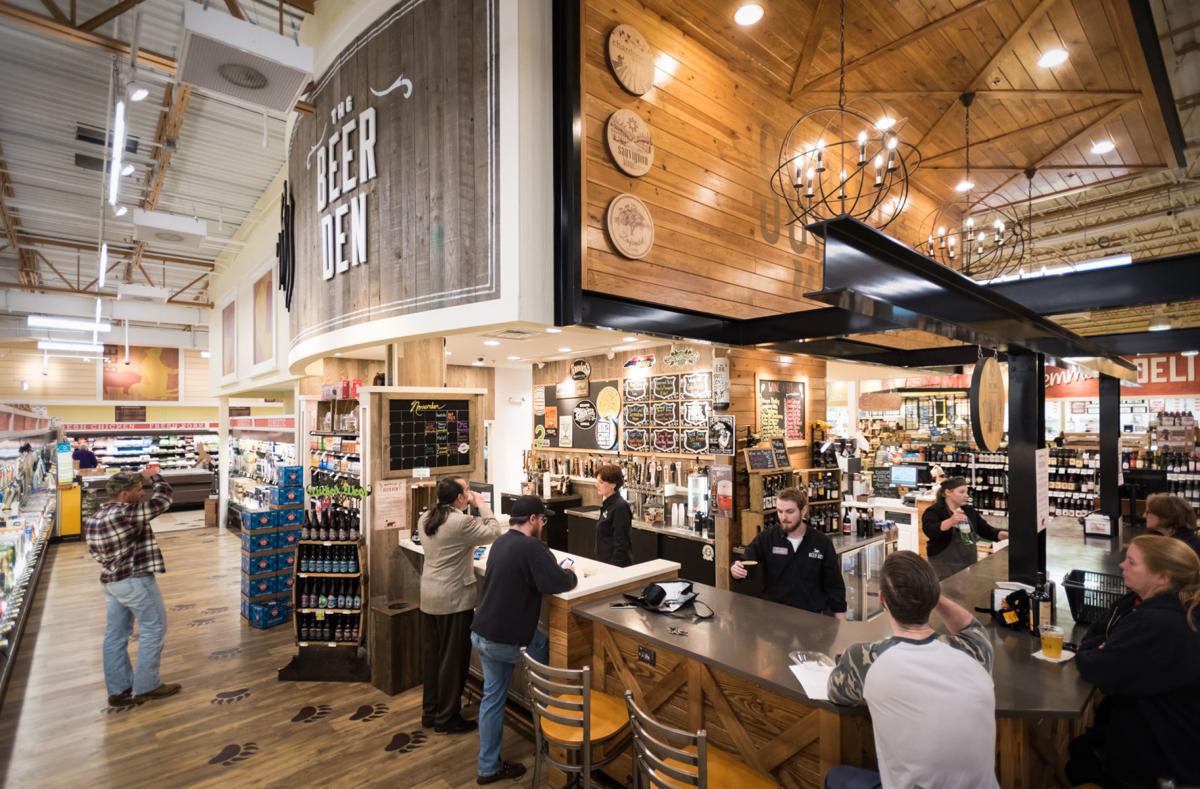
Think of them as part showroom, part community gathering spot, and part a convenient pickup point for online orders. The focus is shifting to creating memorable, immersive moments that you just can’t get through a screen. This makes the physical store a crucial piece of a modern retail strategy, working hand-in-hand with digital to build real brand loyalty.
How Can Small Businesses Compete with Large Retailers?
Small businesses can win by leaning into what makes them different: their agility and their ability to forge genuine connections with customers. Instead of getting into a price war with the big-box stores, they can build a loyal following by owning a specific niche and delivering amazing, personal service.
A few key strategies that work wonders:
- Building a strong local community with in-store events and local partnerships.
- Using affordable digital tools to run an e-commerce site and engage on social media.
- Showcasing unique products and telling the real, human story behind the brand.
These aren’t just small advantages; they’re powerful differentiators that today’s shoppers truly value.
The single biggest technology shaping the future of retail is Artificial Intelligence (AI). It acts as the foundational engine behind other major trends like hyper-personalization, supply chain optimization, and intelligent customer service.
Is E-commerce Taking Over Everything?
E-commerce is a massive, undeniable force, but it’s not the whole story. The growth has been staggering; global online retail sales were projected to jump from $3.351 trillion in 2019 to an estimated $7.385 trillion by 2025. This explosion, kicked into high gear by world events, shows a deep shift in how people buy—you can explore more about this retail market growth on expertmarketresearch.com.
But this doesn’t mean the end of everything else. It actually proves how critical a blended approach is. The brands that are winning are the ones that let customers move seamlessly between their online and physical worlds, creating one cohesive shopping journey. The future isn’t just e-commerce; it’s connected commerce.
At Theory House, we specialize in helping brands navigate these exact changes. We turn consumer passion into purchase by creating high-impact retail programs that drive sales and build brand love, both in-store and online.