An effective in store marketing strategy is your playbook for engaging customers and boosting sales inside your four walls. It’s about so much more than just arranging products on a shelf; it’s about creating a genuine brand experience that builds loyalty and turns casual shoppers into true fans.
Why Your Physical Store Is Still a Marketing Powerhouse
In a world buzzing about e-commerce, it’s easy to forget just how powerful your physical storefront really is. The truth is, brick-and-mortar retail gives you a unique, irreplaceable opportunity to forge deep connections with your customers. That’s why a sharp in-store marketing strategy has never been more vital.
The game has changed. We have to shift our focus from simple transactions to crafting an immersive environment—a place people want to visit and come back to. Your store isn’t just a point of sale; it’s your most potent, three-dimensional marketing channel.
The Enduring Power of In-Person Shopping
For all the convenience of online shopping, physical stores are still the heart of the customer experience. Don’t just take my word for it. Projections show that around 80% of all shopping will still happen in physical stores globally as of 2025.
If that’s not convincing enough, consider that shopping center vacancy rates recently hit a two-decade low of just 5.4%. This isn’t a fluke; it’s proof of sustained demand for real-world retail spaces.
The message is loud and clear: people still crave the tangible, sensory experience of shopping in person. They want to touch the fabric, smell the coffee, and get advice from a real, knowledgeable person. Your store is where you can deliver on all those desires in a way a website just can’t.
Your physical location is the only channel where you control the entire customer experience. From the music playing to the lighting and staff interactions, every detail contributes to your brand story.
Building Connections Beyond the Click
An online store shows a customer a product. A physical store can make them feel something about your brand. That psychological impact is the secret weapon of a brilliant in-store marketing strategy.
By thoughtfully designing the customer journey within your store, you can achieve some incredible things:
- Forge Emotional Bonds: Create a welcoming atmosphere that encourages people to slow down, browse, and discover. Make them feel comfortable and valued.
- Showcase Brand Personality: Let your brand’s character shine through. Use your decor, your playlist, and your team’s interactions to show people what you stand for.
- Offer Exclusive Experiences: Give people a reason to visit that they can’t get online. Host events, workshops, or product demos that provide real value.
Ultimately, your goal is to transform your shop into a destination. You can learn more about how physical locations are evolving and what it means for the https://www.theoryhouse.com/blog/future-of-retail. When customers see your store as a place to be inspired, connect, and learn, you build a powerful competitive advantage that digital-only retailers simply can’t touch.
Laying the Groundwork for Your In-Store Strategy
A powerful in-store marketing strategy isn’t built on guesswork. It’s built on a solid foundation of clear goals and a deep, almost obsessive, understanding of your customer. This initial legwork is what separates campaigns that fizzle out from those that deliver real, measurable results.
Let’s move past generic advice and get into the essential first steps that actually matter.
First, Define Your Strategic Goals
Before you design a single display or even think about an in-store event, you have to know what you’re trying to achieve. Clear goals act as your north star, ensuring every bit of effort and budget is aligned and purposeful. This clarity is what keeps you from wasting money on tactics that don’t move the needle on your core business objectives.
Vague goals like “increase sales” just won’t cut it. They aren’t actionable. You need specific, measurable objectives that guide every decision.
Here are a few examples of strong, actionable goals we’ve seen work for our clients:
- Increase the average transaction value (ATV) from $55 to $65 over the next quarter. This goal is all about getting customers to add just one or two more items to their baskets.
- Boost weekend foot traffic by 20% within the next six months. This is about getting more people through the door during those critical high-volume shopping periods.
- Improve the conversion rate of the seasonal aisle by 15% during the holiday rush. A goal like this targets a specific, high-potential area of your store for optimization.
Setting goals like these gives you a clear benchmark for success. You’ll know exactly what you’re working toward and, more importantly, how to measure your progress along the way.
Next, Map Your In-Store Customer Journey
Once your goals are set, the next move is to understand how customers actually experience your store. The in-store customer journey is the literal path a shopper takes from the moment they walk in to the moment they leave. Mapping this out helps you pinpoint critical touchpoints where you can make a genuine impact.
Think of it like a story with a beginning, middle, and end. The beginning is the entrance—that initial “decompression zone.” The middle involves browsing aisles, interacting with products, and maybe asking for help. The end is the checkout process and the final impression they have as they exit.
Your job here is to find the moments of friction and the opportunities for delight. Where do customers look confused? Where do they linger the longest? Answering these questions is the key to unlocking some incredibly powerful marketing insights.
Walk through your own store as if you were a first-time customer. Seriously, try it. What do you see first? Is the path clear? Are your most important products easy to find? This simple exercise can reveal surprising pain points you’ve been blind to.
Finally, Conduct a Smart Competitive Analysis
Understanding your competition is crucial, but a truly effective strategy means looking beyond their website and social media feeds. You need to get into their physical stores and analyze what your rivals are doing on the ground. This kind of hands-on research gives you a massive advantage.
When you visit a competitor’s store, put on your detective hat and pay close attention to these elements:
- Visual Merchandising: How are their key products displayed? Are they using endcaps effectively? What’s their signage like—is it clear and compelling or just noise?
- Staff Interaction: How do employees engage with shoppers? Are they proactive and helpful, or do they hide behind the counter?
- Promotions and Offers: What kind of in-store deals are they running? Are they easy to understand at a glance?
- Store Atmosphere: What does it feel like to be in their space? Pay attention to the lighting, the music, and the overall layout.
This isn’t about copying what they do. It’s about spotting gaps and opportunities. If a competitor’s store feels cluttered and overwhelming, you can win by creating a clean, easy-to-navigate experience. If their staff is disengaged, you can stand out with exceptional, personalized customer service.
By truly understanding their strengths and weaknesses, you can carve out a unique position in the market that makes your brand the obvious choice.
Designing an Unforgettable In-Store Experience
This is where your strategy moves off the spreadsheet and into the real world. A truly unforgettable in-store experience is intentionally crafted, engaging multiple senses to forge a genuine emotional connection with shoppers.
It’s the critical difference between a place people simply buy things and a destination they want to visit. Let’s dig into the core components of creating an environment that pulls customers in.
The Art of Visual Merchandising
Good visual merchandising is your silent salesperson. It’s not just about making the store look nice; it’s a strategic tool that guides customers, spotlights key products, and tells your brand story without a single word.
Your store’s layout is the foundation. We’ve seen that a circular or loop layout often works best, as it naturally guides shoppers through the entire space and maximizes their exposure to your products. The last thing you want are dead ends or confusing pathways that create frustration and cause people to walk out.
Product placement is the next layer—it’s all about creating moments of discovery.
- Hero Placements: Give your bestsellers or new arrivals the prime real estate they deserve, right at the front of the store or on prominent endcaps.
- Product Grouping: Group related items to inspire solutions. A display featuring pasta, sauces, and specialty cheeses is far more powerful than having those items scattered across different aisles.
- The Power of Eye Level: This is crucial. Products placed at eye level are 60% more likely to be noticed and purchased. Reserve this valuable space for your high-margin items.
Finally, your signage should be a helpful guide, not a distraction. Use clear, concise language that reflects your brand. Signage needs to answer questions before customers even think to ask, pointing them to promotions, new arrivals, or different departments with ease. For more great ideas, check out these creative retail display ideas.
Engaging the Senses for a Deeper Connection
While visuals are a huge piece of the puzzle, a truly immersive experience engages more than just the eyes. Using scent, sound, and touch—what we call sensory marketing—creates a powerful and memorable atmosphere.
Sound is one of the quickest ways to set a mood. A high-end boutique might play a curated playlist of indie electronic music to reflect its modern vibe, while a rustic outdoor gear shop could use ambient nature sounds to transport customers. The audio should always feel like a natural extension of your brand’s identity.
A study found that playing slower-tempo music can lead to customers spending more time and money in a store. Conversely, upbeat music can increase the pace of shopping, which is useful during peak hours.
Scent is perhaps the most powerful sense tied to memory. Think of a local bakery that vents the aroma of fresh bread onto the street—it’s an irresistible invitation. A hotel might use a signature scent of white tea and cedar to create a feeling of luxury and calm. Even subtle scents can profoundly impact how customers perceive your brand and the quality of your products.
Creating Tangible Experiences
In a world dominated by online shopping, the ability to physically interact with products is a massive advantage for brick-and-mortar stores. Don’t underestimate the power of touch.
Create displays that invite customers to pick things up and engage.
For a clothing store, this means using fabrics that feel luxurious and ensuring fitting rooms are comfortable and well-lit. For a tech store, it means having demo units out and ready for customers to test. The more customers can touch, feel, and experience your products, the more confident they’ll be in their decision to buy.
Before we move on, let’s break down some of these essential tactics.
Key Elements of an In-Store Marketing Mix
Here’s a quick look at some of the most effective in-store marketing tactics, what they’re designed to achieve, and how they look in the real world.
| Tactic | Primary Goal | Real-World Example |
|---|---|---|
| Point-of-Sale (POS) Displays | Drive impulse purchases | Placing small, high-margin items like candy or batteries right at the checkout counter. |
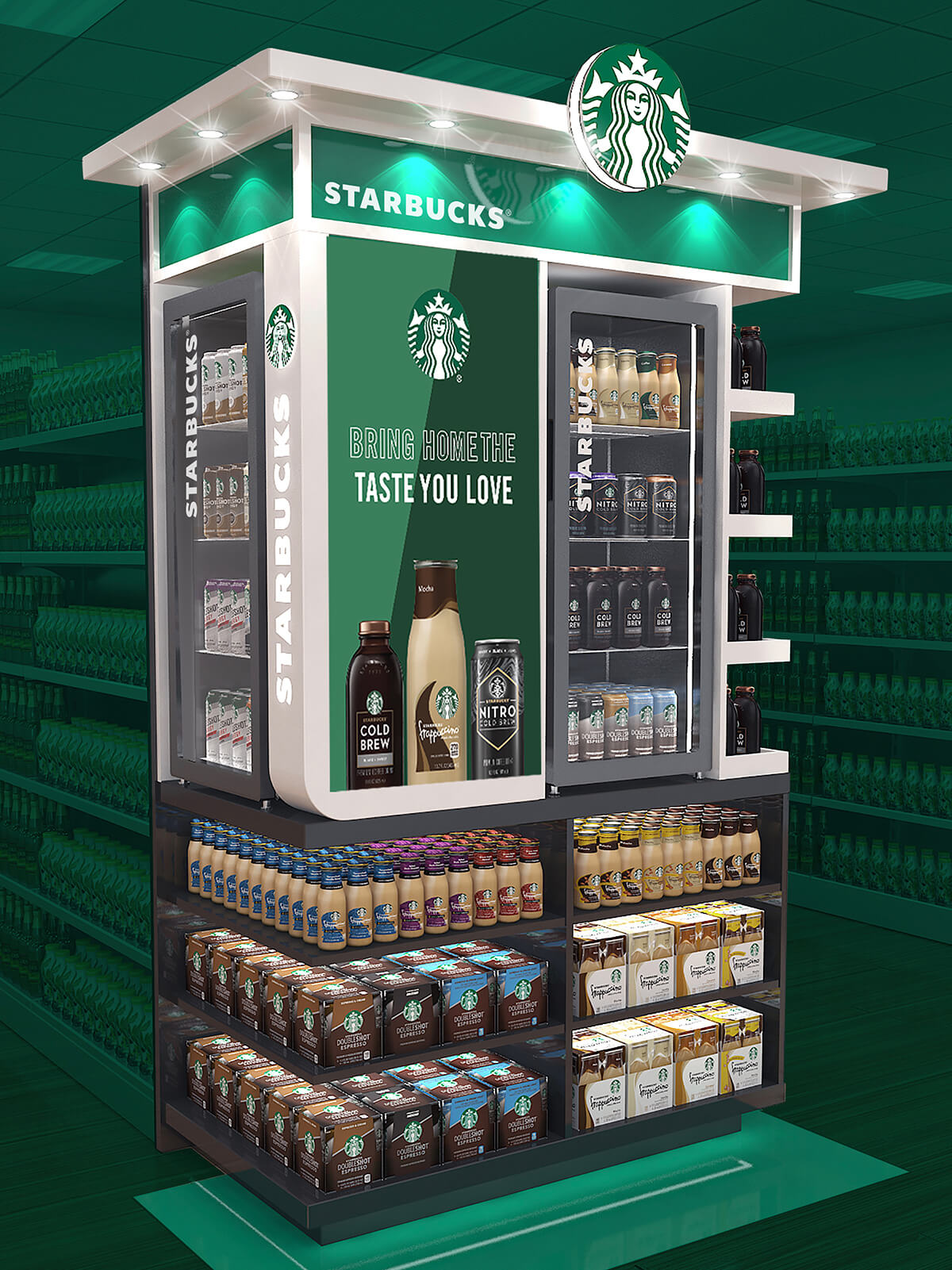
| Endcap Displays | Highlight new or promotional items | A seasonal display at the end of an aisle featuring all the essentials for summer grilling. |
| Interactive Demos | Allow hands-on product experience | A cosmetics counter offering free makeovers or a hardware store letting customers try a new power tool. |
| In-Store Events | Build community and drive traffic | A bookstore hosting a local author signing or a sporting goods store holding a running clinic. |
| Digital Signage | Capture attention with dynamic content | A screen in an electronics store showcasing the vibrant picture quality of a new 4K TV. |
By combining thoughtful visual merchandising with a multi-sensory approach, you transform your store from a simple retail space into a memorable experience. This is how you build an environment that people talk about and eagerly return to.
Merging Your Digital and Physical Worlds
Your in-store marketing strategy can’t live on an island, walled off from your online presence. Today’s customers glide effortlessly between your website, your social media, and your brick-and-mortar store—and they expect a consistent, connected experience every step of the way. Nailing this seamless journey is the heart of a powerful omnichannel approach.
The goal is to stop thinking of “online” and “in-store” as two separate playbooks. They are simply two interconnected parts of a single brand story. When these two worlds are in sync, the entire customer experience feels more convenient, engaging, and memorable.
This connection isn’t just a “nice-to-have” anymore. By 2025, 73% of consumers will be shopping across multiple channels. The data is clear: businesses with strong omnichannel strategies retain 89% of their customers, a stunning figure compared to the 33% retention rate for those with a weaker approach. It’s an undeniable path to growth and loyalty.
Bringing Your Digital World Into the Store
One of the smartest ways to blend these worlds is to use your physical space to deepen the digital engagement you’ve already started. It’s all about adding layers of information and convenience that a customer simply can’t get by just looking at a product on a shelf.
QR codes are a fantastic tool for this. A simple, well-placed QR code on a product tag or display can instantly open up a richer world of content for the shopper.
- Expanded Product Stories: Link that code to a video of the product in action, a deep-dive blog post on its origins, or a feed of customer reviews and photos.
- Style and Inspiration: A clothing retailer could link to a lookbook showing different ways to style a garment, inspiring customers to build an entire outfit right there.
- Technical Specifications: For more complex items like electronics, a QR code can offer instant access to detailed specs, manuals, and comparison charts, answering questions on the spot.
This simple tactic empowers shoppers with the info they need to make a confident purchase.
Making Convenience a Cornerstone
Another powerful way to merge your digital and physical operations is through services that put customer convenience first. Buy Online, Pick Up In-Store (BOPIS) is a perfect example of this in action.
BOPIS programs perfectly bridge the gap between the ease of online shopping and the immediacy of having the product in hand. It kills shipping times and costs for the customer while driving valuable foot traffic right to your front door. When that customer comes in to grab their order, you have a golden opportunity to engage them and maybe even upsell them on other products they see.
By making your store a convenient pickup point, you transform it into a hub of activity. Each BOPIS order is a chance to reinforce your brand and showcase your in-store experience to an already-engaged customer.
Turning Your Store Into a Content Engine
Remember, the connection between digital and physical is a two-way street. Just as you bring digital elements into your store, you should be using your store to fuel your online presence. Your physical space is a living, breathing set for creating authentic and compelling content.
Think about creating “Instagrammable moments”—unique, well-designed corners or displays that customers want to photograph and share. This could be a neon sign with a clever brand slogan, a stunning mural, or a quirky, interactive product display. Every social media post becomes a piece of user-generated content that acts as an authentic endorsement of your brand.
You can also leverage your checkout process as a digital touchpoint. Offering a small discount in exchange for an email signup is a classic and effective way to grow your online community. This simple interaction helps you continue the conversation long after the customer has left. You can explore a variety of these tactics in our guide to the best omnichannel marketing strategies.
Turning Your Store Into an Active Destination
It’s time to face a hard truth: static displays and silent aisles are relics. To really compete today, your store has to be more than just a place where people buy things. It needs to become a dynamic destination they want to experience.
This shift means creating energy, building a community, and giving customers a real reason to walk through your doors instead of just clicking a button online. You need to start thinking less like a retailer and more like an event planner.
By hosting engaging activities, you generate genuine buzz, drive consistent foot traffic, and even create authentic content for your social channels. Your physical space becomes the stage for memorable brand moments.
Bringing Digital Trends to the Shop Floor
The explosive growth of social commerce is completely reshaping retail. Just look at the numbers. China’s live-streaming e-commerce market is set to hit an incredible $480 billion in 2024. Here in the US, platforms like TikTok Shop are projected to generate over $20 billion by 2025.
The takeaway is clear: customers crave content that blends entertainment with easy purchasing. For a deeper dive, check out these global trends shaping marketing in 2025.
So, how do you bring this online energy into your physical store? Imagine hosting a live-streamed product unboxing right from your shop floor. You could have your online and in-person audiences interacting at the same time, asking questions and sharing the excitement. This doesn’t just showcase a product; it creates a genuine event around it.
Hosting Events That Build Community
In-store events are probably your most powerful tool for turning your location into a true community hub. They offer value that goes way beyond your products and help you build lasting relationships with your customers. The goal is simple: offer experiences they can’t get anywhere else.
A few ideas to get you started:
- Hands-On Workshops: A hardware store could host a DIY home repair class. A kitchen supply store could offer a pasta-making workshop. These events empower your customers with new skills and build incredibly positive feelings about your brand.
- Exclusive Product Demos: Team up with a supplier to give your customers an exclusive first look at a new product. This creates a sense of urgency and makes everyone who attends feel like an insider.
- Community Meetups: Think outside the box. A sporting goods store could organize a local running club that starts and ends at the shop. A bookstore could host a monthly book club meeting right there among the shelves.
Activities like these foster a real sense of belonging. They transform your store into a central point for a community built on shared interests.
By making your store a venue for connection and learning, you give people a reason to visit that has nothing to do with making an immediate purchase. This builds long-term loyalty that a simple transaction never could.
Ultimately, it all comes down to activation. Whether it’s a small pop-up demonstration or a larger community event, these experiences give your brand a personality and a heartbeat. They turn passive shoppers into active participants and loyal advocates who will be excited to share their positive experiences with others, both online and off.
Measuring What Matters to Optimize Your Strategy
So, you’ve put in the work. The displays are up, the promotions are live. But how do you know if any of it is actually paying off? An effective in-store marketing strategy isn’t just about good creative; it’s about driving real, measurable results.
To truly understand the impact of your efforts, you need to know what to look for. And I’ll give you a hint: it goes beyond just looking at the top-line sales report. While absolutely crucial, sales figures only tell you what happened, not why. Getting to the “why” is where you find the insights to constantly refine your approach.
Moving Beyond Basic Sales Metrics
A complete picture of your strategy’s performance comes from blending quantitative and qualitative data. This mix of hard numbers and genuine customer feedback is what separates the good strategies from the truly great ones.
Think about building a more detailed scorecard for your in-store efforts. What are your key performance indicators (KPIs)? Consider tracking things like:
- Foot Traffic Patterns: Are more people walking in the door since you launched that new window display? Are certain times of day suddenly busier? This kind of data is gold for optimizing everything from staffing to flash promotions.
- Customer Dwell Time: How long are shoppers sticking around that new interactive display? If people are lingering, it’s a great sign that you’ve successfully engaged them.
- Conversion Rates by Zone: Of all the people who walked down the seasonal aisle, what percentage actually bought something from it? Tracking this helps you pinpoint which merchandising efforts are turning browsers into buyers.
- Average Transaction Value (ATV): Is your new product bundling strategy actually encouraging people to spend more each time they visit? This is a direct measure of how well your upselling and cross-selling tactics are working.
The real goal is to draw a straight line from your marketing actions to specific customer behaviors. When you see a lift in a key metric right after making a change, you can confidently say your strategy worked and double down on it.
Practical Tools for Gathering Insights
You don’t need a massive budget or a data science degree to start collecting this information. In fact, many powerful insights can be gathered with tools you probably already have or can set up in an afternoon.
Your Point of Sale (POS) system is a treasure trove of data. Most systems can generate detailed reports on sales trends, product performance, and ATV. Make it a habit to dive into these reports and look for patterns you might otherwise miss.
Want direct feedback? Simple QR code surveys are incredibly effective. Place them at checkout, on receipts, or near a new display. You can offer a small incentive—like 10% off their next purchase—to get more people to participate. Ask pointed questions about their experience to get the kind of qualitative feedback that numbers alone just can’t provide.
The Cycle of Testing and Refining
Here’s the most important part: measurement is useless without action. The whole point is to use what you find to create a continuous loop of testing, learning, and refining your strategy. This is how you keep your in-store marketing from ever feeling stale.
Start small. Create a simple hypothesis. For example, “I bet moving our best-selling accessories next to the checkout will increase impulse buys.”
Then, test it. Make the change, measure the impact on ATV for a set period (say, two weeks), and look at the results. If it worked, great—make it a permanent change. If not, you’ve still learned something valuable and can try a new approach. This iterative process of making small, data-backed adjustments is the secret to long-term success.
Your In-Store Marketing Strategy FAQ
Even the most buttoned-up plans can spark a few questions. Let’s tackle some of the most common ones we hear from retailers as they build out their in-store marketing strategy.
How Much Should I Budget for In-Store Marketing?
There’s no magic number here, but a solid benchmark to start with is 5-10% of your total revenue. A brand-new store will naturally invest more upfront to build awareness, while an established retailer might funnel that spending into specific seasonal campaigns.
The key is to view it as an investment, not just another expense line.
You don’t have to go big right away. Start with high-impact, low-cost tactics. Simple tweaks to your visual merchandising or a fresh round of staff training can lift sales significantly without requiring a massive budget. Measure the return on these initial efforts, then reinvest what you earn into bigger initiatives.
The smartest way to budget is to tie your spending directly to your goals. Stop asking, “How much should I spend?” and start asking, “What do I need to invest to increase foot traffic by 15%?”
What Are the Most Common Mistakes to Avoid?
Over the years, we’ve seen retailers stumble over the same hurdles time and again. One of the biggest missteps is neglecting to train staff on your marketing initiatives. Your team is on the front line; if they don’t understand a promotion or can’t speak to a new product’s best features, the entire campaign can fall flat right at the shelf.
Another frequent error is creating a cluttered, confusing store environment. Too much signage, disorganized displays, and unclear pathways overwhelm shoppers. When they’re overwhelmed, they walk out empty-handed. Clarity and simplicity will always win out over chaos.
How Can Small Retailers Compete with Big Chains?
This is where small retailers have a massive advantage: agility and authenticity. You can connect with your local community on a personal level that big-box corporations simply can’t replicate. You have to lean into what makes you unique.
Focus on creating exceptional, human experiences:
- Personalized Service: Learn your regulars’ names and what they love.
- Community Events: Host a workshop, a tasting, or showcase a local artist.
- Curated Selection: Stock unique products that your customers won’t find on Amazon or at a national chain.
By building a genuine community around your brand, you create a loyal base that values your store for more than just your prices. That personal connection is your greatest competitive edge.
Ready to turn your retail space into a true brand powerhouse? Theory House is a leading retail branding agency with a proven track record of helping brands like yours ignite growth right at the shelf. Learn how our expertise in shopper marketing and retail design can drive results that matter at https://www.theoryhouse.com.